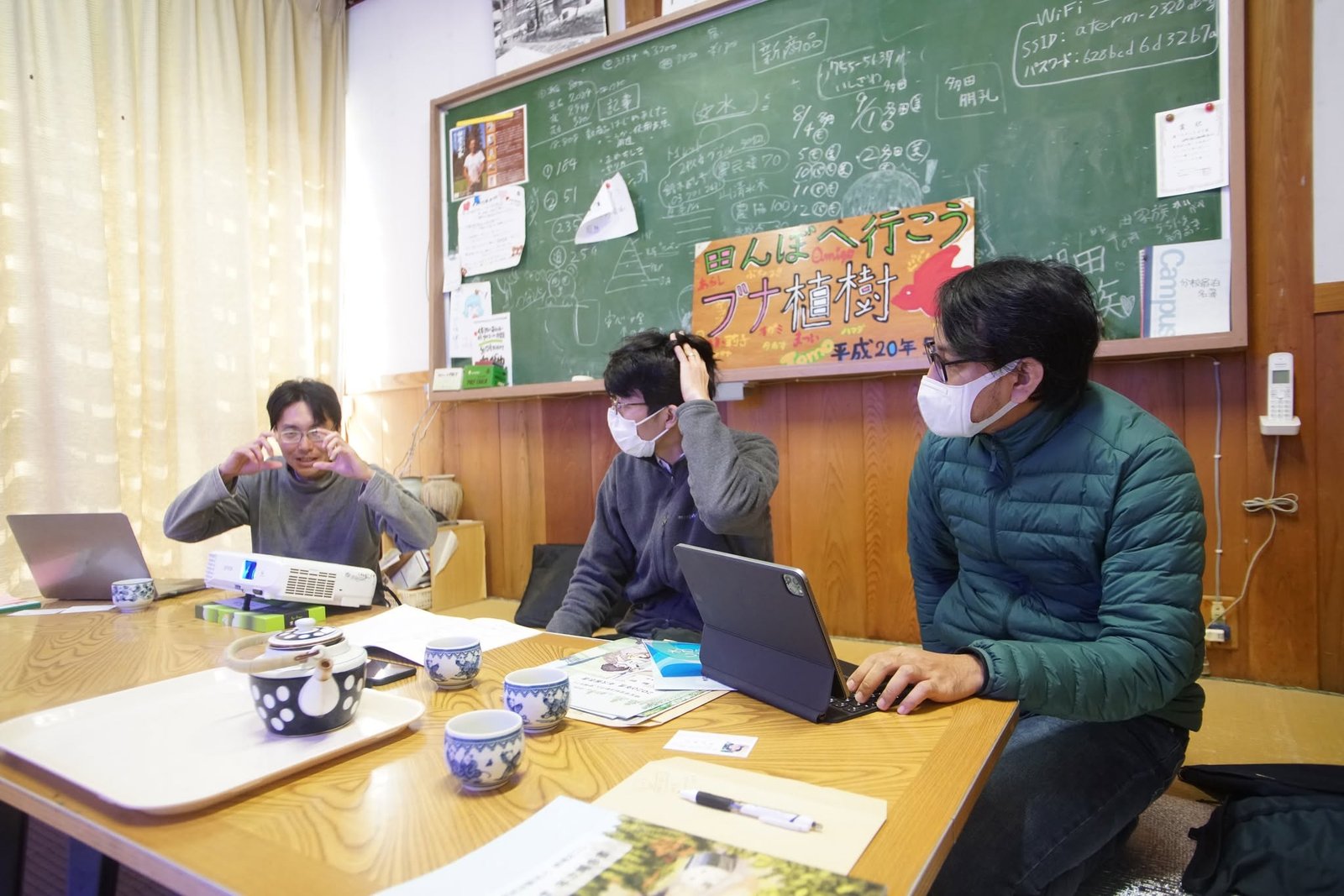
The Lab Desain Budaya (Design Culture Laboratory) team at Universitas Sebelas Maret (UNS), Indonesia, has published a scientific article on the application of the co-design method in the international journal Interchange, which is indexed in Scopus Q2.
The article examines the importance of village designers as design facilitators who support local communities in identifying, developing, and realizing design opportunities based on their distinctive local potential. Amid social changes that threaten the continuity of traditional knowledge and rural community life, conventional top-down development approaches often struggle to accommodate the unique characteristics, resources, and aspirations of individual villages.
Co-Design as an Approach to Village Development
Village development requires approaches that recognize the diversity of local resources, cultural practices, and community needs. Development programs designed primarily by external stakeholders may overlook the specific knowledge, skills, and aspirations that distinguish one village from another. As a result, opportunities to strengthen local identity and develop context-specific solutions may not be fully realized.
The research explores co-design as a collaborative approach that brings local communities and design facilitators together throughout the design process. Rather than positioning residents merely as recipients of development programs, this approach recognizes them as experts in their own contexts, active partners in the design process, and decision-makers in determining the direction of local development.
Within this framework, the role of the village designer extends beyond producing design solutions. Village designers facilitate communication, encourage the exchange of knowledge, and help communities translate their local resources and aspirations into potential design opportunities. This role is particularly important in connecting community-based knowledge with design methods and new possibilities for local development.
The MBKM Program in Sabrang Village
Through the Merdeka Belajar Kampus Merdeka (MBKM) program, UNS implemented a co-design approach in Sabrang Village, Indonesia. In this initiative, students participated as design facilitators, working alongside local residents to explore the village's potential and develop context-specific design opportunities.
The approach emphasized collaboration between academic participants and community members. Students contributed design knowledge and facilitation skills, while local residents provided essential insights into their environment, cultural practices, existing resources, and everyday experiences.
This collaborative process sought to establish a more balanced relationship between academic knowledge and local expertise. By involving residents in the development and evaluation of design ideas, the program encouraged solutions that reflected the village's distinctive characteristics rather than relying on standardized development models.
The experience also highlights the educational value of community-based design activities. Through direct engagement with local communities, students can develop a deeper understanding of social and cultural contexts while learning to facilitate participatory design processes.
Strengthening Local Potential and Rural Sustainability
The study presents co-design as a potential approach to developing more contextual and community-oriented village development strategies. By placing local residents at the centre of the design process, the approach can help identify opportunities grounded in existing resources, strengthen local economic potential, and support the continuity of traditional knowledge and rural ways of life.
The findings also emphasize the significance of the facilitator's role in connecting community aspirations with design practices. Effective facilitation can create opportunities for dialogue, shared learning, and collective decision-making, enabling communities to participate more actively in shaping their own development.
More broadly, the research contributes to discussions on how design education and community engagement can work together to address the challenges of rural development. It highlights the potential for universities to collaborate with local communities in developing approaches that respect cultural diversity, respond to local needs, and encourage more sustainable forms of development.
Through its work in Sabrang Village, Lab Desain Budaya UNS continues to explore the role of design as a collaborative process for recognizing local potential and supporting community-led development.
International Journal Publication
The full research article is available in Interchange, an international academic journal indexed in Scopus Q2.
Read the full article in Interchange:
https://link.springer.com/article/10.1007/s10780-026-09572-7